
Network Integration Services for Modern Business Environments
HTG delivers Network Integration Services, infrastructure engineering, cloud integration, systems integration, and network design projects for organizations that need networks, on-premises systems, cloud platforms, identity, security controls, and multi-site environments connected into one reliable technical foundation.
This page is focused on project engineering, migration, modernization, design, deployment, validation, and documentation. It is not day-to-day help desk support. Instead, HTG helps buyers reduce cutover risk, prevent vendor finger-pointing, improve visibility, and give internal teams a cleaner operating model after the project is complete.

Network Integration Services Readiness Assessment
HTG starts with discovery, dependency mapping, current-state review, risk findings, and project readiness planning. As a result, your team sees what must be fixed before deployment, migration, or cutover begins.
- Topology, site, and dependency mapping
- Current-state network and infrastructure review
- Risk, gap, and priority findings

Systems Integration Standards and Roadmaps
For systems integration, HTG defines technical standards, design decisions, project sequencing, and handoff requirements so platforms connect without becoming a one-off build nobody can support later.
- Target-state diagrams and design patterns
- Identity, access, and security alignment
- Sequenced roadmap for modernization

Network Design for Secure Connectivity
HTG deploys and validates network design across LAN, WAN, SD-WAN, Wi-Fi, routing, segmentation, firewall alignment, and secure access so users, applications, and sites connect with less friction.
- LAN, WAN, SD-WAN, and Wi-Fi designs
- Routing, VLAN, firewall, and segmentation support
- Secure remote access and visibility standards

Infrastructure Engineering Services
Our infrastructure engineering work covers servers, virtualization, storage, backup alignment, resiliency, core services, and operational handoff artifacts that your team can actually use after go-live.
- Server, storage, and virtualization planning
- Backup, recovery, and resiliency integration
- Runbooks and documentation for ownership

Cloud Integration with On-Premises Systems
HTG designs cloud integration and on-premises connectivity so routing, identity, access, workloads, logging, security controls, and operations stay aligned across hybrid environments.
- Cloud-to-site connectivity planning
- Identity and access dependency review
- Security and operational visibility standards

Validation, Documentation, and Handoff
After implementation, HTG completes testing, tuning, acceptance review, runbooks, diagrams, and knowledge transfer so the integrated environment is ready for ownership and future phases.
- Cutover validation and acceptance criteria
- Performance baselines and project notes
- Knowledge transfer for internal teams
What Network Integration Services Help Prevent
Integration projects fail when teams move too quickly without dependency mapping, rollback planning, clear ownership, or documentation. HTG helps prevent the problems that slow projects down after the purchase order is already signed, especially when business connectivity services, vendors, and infrastructure teams have to line up correctly.
Vendor Finger-Pointing in Network Engineering Projects
When circuits, firewalls, cloud tools, switches, identity, and applications touch the same project, ownership can get messy. HTG documents dependencies and handoffs so every team knows what must happen next.
Cutover Surprises During Secure Connectivity Design
Unexpected routing, access, DNS, VLAN, firewall, backup, or application dependencies can break timelines. Therefore, HTG validates the path before production changes happen.
Unusable Documentation After Infrastructure Connectivity Work
Many projects end with screenshots, scattered notes, or tribal knowledge. HTG delivers diagrams, runbooks, standards, and acceptance notes that support troubleshooting and future phases.
What Buyers Get From Network Integration Services
A rollout readiness call is worth the time because it turns a broad technical goal into a clearer project path. HTG helps define what will be deployed, what could break, what needs to be validated, and what your team should receive at handoff.
Current-State Findings for Infrastructure Connectivity
Inventory of network, infrastructure, cloud, site, access, and dependency risks that could affect design, migration, or cutover.
Target-State Design for Infrastructure Connectivity
Network design, integration patterns, infrastructure standards, and decision records built around your locations, applications, and business goals.
Deployment and Cutover Plan for Network Engineering Projects
Phased project steps, rollback planning, validation criteria, vendor coordination notes, and implementation sequencing.
Runbooks and Handoff for Secure Connectivity Design
Diagrams, access paths, support notes, acceptance results, and knowledge transfer so the environment is easier to operate after delivery.
Infrastructure Engineering for Network Integration Services
Strong infrastructure engineering creates the foundation for networks, applications, security controls, cloud connectivity, backup, recovery, and future modernization. HTG focuses on design decisions that are documented, supportable, and built around how the environment actually operates.
Network Design and Core Architecture
Design routing, switching, segmentation, Wi-Fi, edge connectivity, and site standards that reduce complexity and improve performance across the business.
Infrastructure Engineering for Platforms
Align servers, virtualization, storage, backup, recovery, and platform dependencies so infrastructure changes are planned instead of reactive.
Systems Integration Documentation
Capture diagrams, standards, access paths, escalation details, and operational notes so project knowledge does not disappear after delivery.
Security-Aware Network Design
Build segmentation, access control, logging, resilience, and recovery considerations into the design instead of treating them as afterthoughts.
Hybrid Connectivity and Cloud Integration
Hybrid environments work best when cloud platforms, on-premises infrastructure, identity, routing, security controls, workloads, and operational processes are designed together. HTG helps teams connect those pieces with clear migration sequencing and practical engineering standards.
Cloud Integration and Hybrid Connectivity
Connect cloud and on-premises resources with routing, access, monitoring, and failover patterns that support stable operations across environments.
- Cloud-to-site connectivity planning
- Routing, access, and segmentation standards
- Validation steps for cutover readiness
Systems Integration for Identity and Access
Align users, devices, platforms, cloud services, and permissions so access is cleaner, safer, and easier to govern after the project is complete.
- Identity and access dependency review
- Cloud and platform access alignment
- Operational handoff documentation
Migration-Ready Infrastructure Engineering
Prepare cloud, on-premises, and application environments for phased migrations with clear requirements, rollback planning, and success criteria.
- Migration roadmap and dependency mapping
- Phased execution and validation planning
- Documentation for future modernization
Multi-Site Connectivity and Network Integration Services
For distributed teams, HTG helps standardize site architecture, multi-site connectivity, implementation waves, cutover steps, validation, and documentation. This keeps multi-site network integration work consistent without forcing every location into a brittle one-size-fits-all model.

Oregon
Portland, Beaverton, Hillsboro, Salem, Eugene, Bend + more

Washington
Vancouver, Seattle, Tacoma, Spokane, Tri-Cities + more
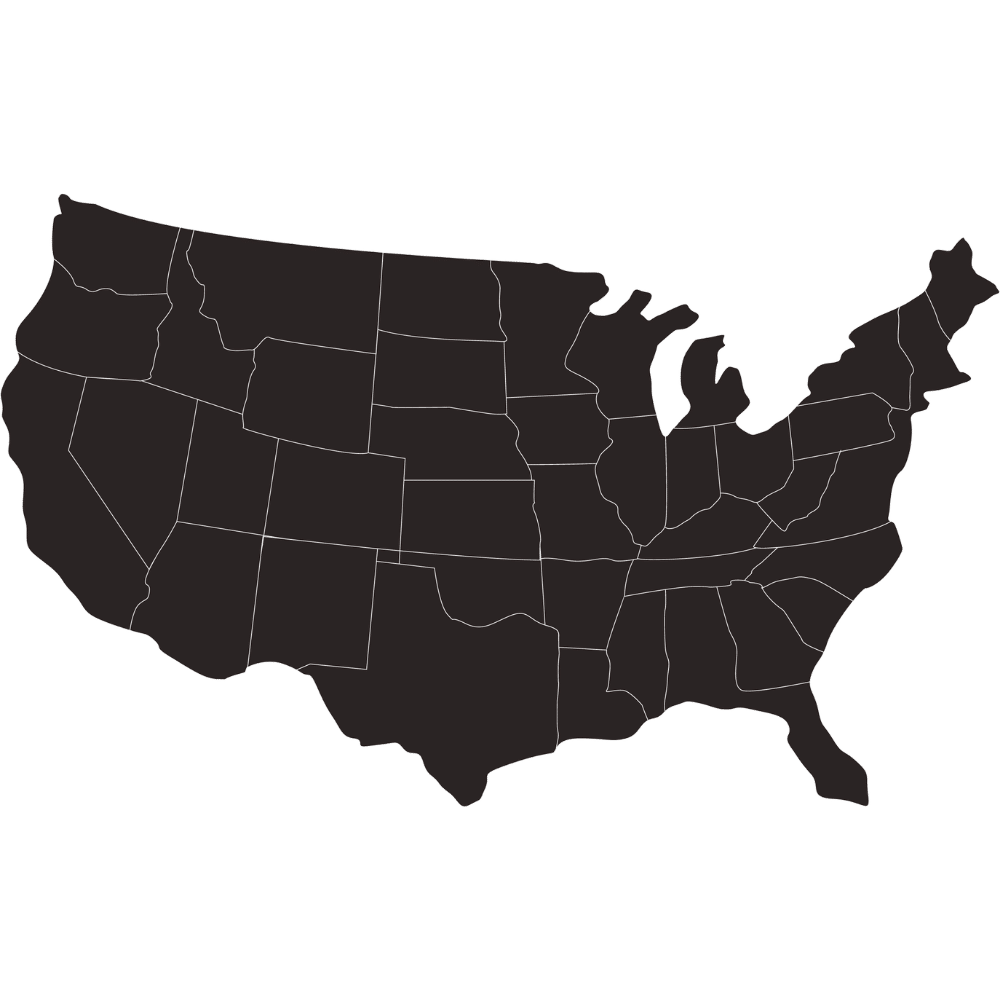
Nationwide
Architecture, standards, and rollout coordination across regions
Network Engineering Projects for Migration and Modernization
Migration and modernization work needs more than a move date. HTG builds the project path around discovery, design, staging, implementation, hybrid connectivity, validation, rollback planning, and clean documentation.
Network Integration Discovery
First, HTG reviews systems, networks, cloud dependencies, site needs, business goals, vendors, timelines, and risk areas. Then we define success criteria and constraints.
Network Design and Sequencing
Next, we create the design, identify integration patterns, document rollback options, and sequence the project into manageable phases.
Systems Integration and Deployment
After that, HTG executes network design, infrastructure engineering, systems integration, and cloud integration with testing and validation.
Documentation and Transition
Finally, we complete runbooks, diagrams, acceptance notes, and knowledge transfer so ownership is clear after the project closes.
Why Businesses Choose HTG for Integration Engineering
HTG gives project teams one partner to assess, design, deploy, validate, and document technical environments built for consistent outcomes across Oregon, Washington, and multi-site operations. That gives buyers a cleaner path for network engineering projects without turning this page into help desk or MSP content.
Network Integration Patterns Your Team Can Run
HTG builds standards your team can use after the project: diagrams, decision records, runbooks, access paths, and clean handoffs. As a result, the project does not turn into tribal knowledge or one-off fixes.
- Repeatable standards for connectivity and core services
- Documentation that supports troubleshooting and audits
- Practical designs that respect existing investments
Network Design with Security and Resilience
HTG aligns design and delivery with real-world controls and evidence. For example, the NIST Cybersecurity Framework can help guide risk, visibility, recovery, and operational consistency.
- Segmentation, secure access, and observability
- Backup, recovery, and high-availability patterns
- Artifacts that help demonstrate control and ownership
Network Integration Services FAQs
Quick answers about network integration, systems integration, cloud integration, network design, infrastructure engineering, and secure connectivity design.
Network integration connects infrastructure, networks, cloud platforms, identity, security controls, sites, and business systems so the environment works as one coordinated technical foundation.
No. This page is for project-based engineering, design, integration, migration, modernization, and documentation. If you need day-to-day user and system support, use the ongoing IT support page instead.
Scope depends on the environment, but common work includes LAN, WAN, SD-WAN, Wi-Fi, routing, VLANs, segmentation, firewalls, cloud connectivity, identity alignment, monitoring paths, cutover plans, and documentation.
Yes. HTG supports cloud and on-premises integration across hybrid connectivity, routing, identity alignment, access controls, visibility, workloads, and operational documentation.
Yes. Most businesses already have important investments in place. HTG focuses on integrating, improving, documenting, and validating the environment instead of forcing unnecessary replacement.
A readiness call helps identify dependencies, risks, timeline constraints, vendor handoffs, cutover requirements, and documentation needs before the project becomes harder or more expensive to correct.
WHERE WE DELIVER
NETWORK INTEGRATION IN OREGON & WASHINGTON WITH NATIONWIDE PROJECT COVERAGE
HTG delivers network integration work for businesses across Oregon and Washington while coordinating infrastructure, cloud, and connectivity work for distributed teams throughout the United States.
Network Integration Engineering in Washington
Across Washington, HTG provides network integration, infrastructure engineering, and cloud integration for teams from Southwest Washington through Puget Sound and Spokane. As a result, regional organizations get cleaner project delivery and stronger technical consistency.
- Connectivity: LAN, WAN, SD-WAN, and Wi-Fi designs.
- Security: Segmentation, access controls, and visibility.
- Integration: Standards and documentation for scale.
- Execution: Cutover plans and validation steps.
WASHINGTON SERVICE AREAS
Ridgefield • Vancouver • Battle Ground • Camas • Washougal
Seattle • Bellevue • Redmond • Kirkland • Everett
Tacoma • Olympia • Kent • Auburn
Spokane • Yakima • Tri-Cities (Kennewick, Pasco, Richland)
Network Integration Engineering in Oregon
Across Oregon, HTG delivers network integration and infrastructure engineering with structured planning, documentation, validation, and dependable execution. In turn, teams gain cleaner handoffs and a better foundation for future modernization.
- Infrastructure: Core services and resiliency patterns.
- Cloud: Cloud and on-premises integration.
- Operations: Runbooks and ownership documentation.
- Modernization: Roadmaps that scale.
OREGON SERVICE AREAS
Portland • Beaverton • Hillsboro • Tigard • Tualatin
Salem • Eugene • Bend • Medford • Grants Pass
Nationwide Network Integration Coordination
For multi-site teams, HTG provides central planning with local execution across regions using repeatable standards, consistent documentation, phased rollout support, and defined validation criteria.
- Standardized operations: Unified patterns and documentation.
- Central coordination: One project partner across sites.
- Rollouts: Phased waves with cutover planning.
- Validation: Testing and acceptance criteria.
NATIONWIDE COVERAGE
West: CA • NV • AZ • UT • CO
Central: TX • OK • KS • NE • MN
Midwest: IL • WI • MI • IN • OH
East: FL • GA • NC • VA • MD • NY • NJ
Book a Network Integration Services Readiness Call
Bring us your network, infrastructure, cloud, systems, migration, or modernization project. HTG will help define the scope, identify risk, sequence the work, validate the rollout path, and build a cleaner handoff from design to delivery.