IT Asset Disposition (ITAD) Services. Retire Equipment With the Records to Prove What Happened.
HTG's IT asset disposition (ITAD) services start by reconciling the assets. Then we define custody and data-handling requirements, coordinate the approved disposition path, from reuse and IT equipment recycling to IT asset destruction, and return a closeout record. Secure IT asset disposition doesn't stop at pickup, so the inventory, custody and closeout records have to match.
Technology Retirement
Why IT asset disposition projects go sideways.
Retirement work gets scoped around the truck. But the problems show up later, in the records.
Inventory
The asset list does not match reality
Counts drift between the spreadsheet and the storage room until someone has to reconcile them. So you have to record differences before equipment changes custody, not after.
Data
Data handling gets decided too late
Reuse, sanitization, IT asset destruction and recycling are different paths with different evidence. Each path needs your sign-off before pickup, so nobody has to guess later.
Timing
The new gear is live. The old gear is still there.
Refresh projects close while the retired equipment sits onsite with nobody assigned to it.
Scope
What HTG can help retire.
Before work starts, we confirm accepted equipment, pickup conditions and processing requirements. But we don't accept every asset type in every project.
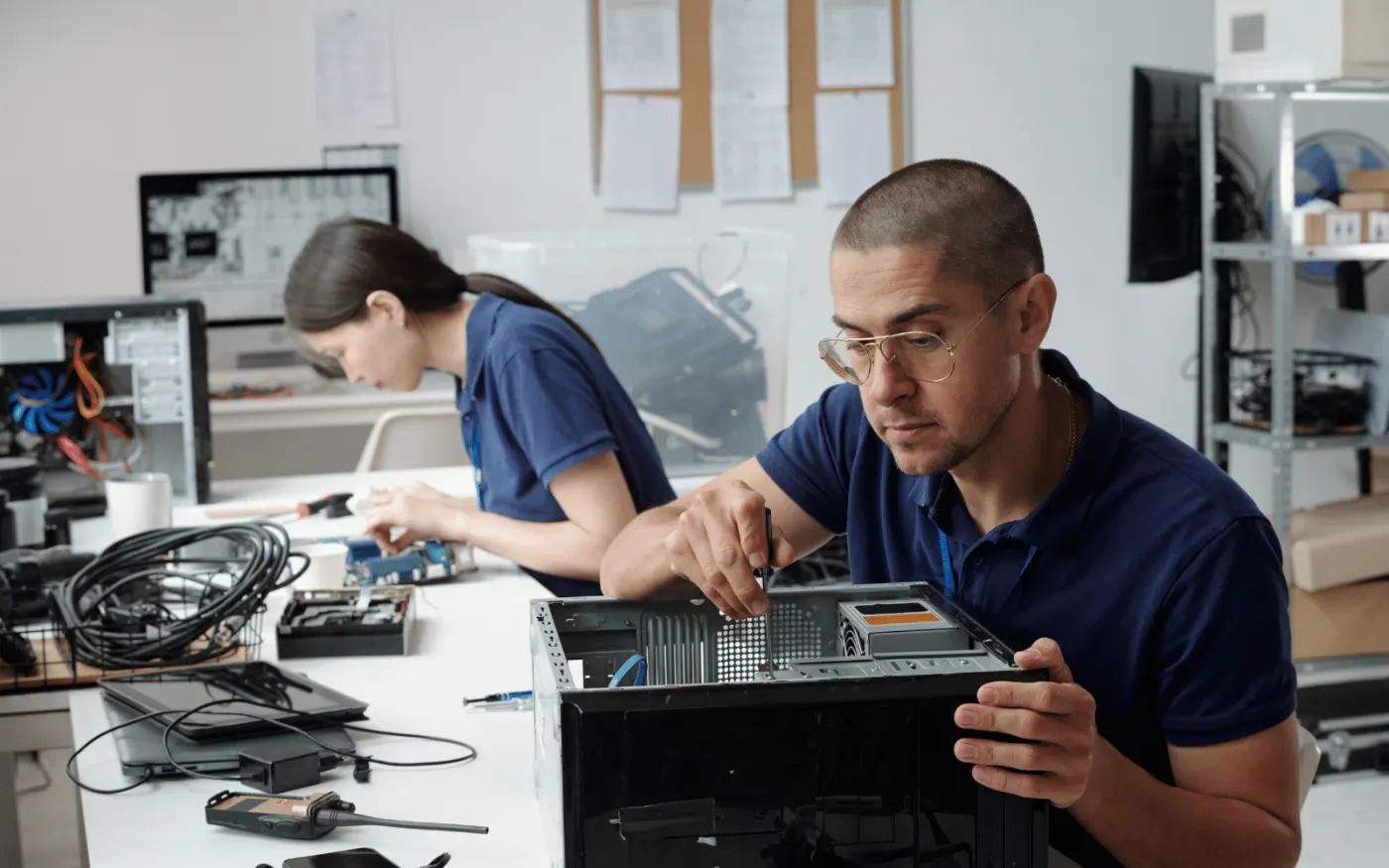
User and office technology
- Laptops, desktops and tablets
- POS and back-office equipment
- Monitors, peripherals and lease returns where accepted

Servers and storage
- Servers and storage systems
- Data-bearing media
- Infrastructure removed during data center work

Network and communications
- Routers, firewalls and switches
- Communications equipment
- Equipment retired during a site or network refresh
Engagement
Choose the engagement.
You can scope retirement work as one bounded event or, if the need is ongoing, as a standing program.
Defined ITAD project
- A refresh, closure or consolidation
- A lease return or data center cleanup
- A bounded retirement event with a fixed asset set
Recurring or multi-site ITAD program
- Ongoing or distributed retirement work
- Common inventory, custody and exception standards
- One reporting format across locations
Process
A four-step process for secure IT asset disposition.
From scope to closeout, with the records defined at the start.
Scope and reconcile
Before anything moves, confirm locations, asset types, quantities, tracking rules and the records you expect back.
Pick up and control custody
Coordinate packing, site access and handoff, and capture the chain-of-custody record when equipment leaves.
Follow the approved data and disposition path
Route data-bearing assets through the sanitization, destruction, reuse, recovery or recycling path set in scope, performed by the appropriate party.
Reconcile and report
Once the work is done, match outcomes to the project record, document exceptions and deliver the closeout package.
The scope names who performs each step, the method or standard that applies and the records that come back. In ITAD asset disposal and recycling, specialized sanitization, IT asset destruction and recovery may involve approved downstream partners. Buyers commonly define methods and evidence against NIST SP 800-88 Rev. 2, Guidelines for Media Sanitization. NIST publishes guidance, but it doesn't certify ITAD providers.
Connected Services
Retirement connects to the rest of the plan.
Disposition rarely stands alone, since it usually arrives attached to a purchase, rollout or migration.
Coverage and Fit
IT asset disposition services for Oregon, Washington and multi-site projects.
HTG supports regional ITAD services and can coordinate multi-site retirement work when we can define pickup, data handling, custody and reporting in one scope.
If a project spans several sites, we confirm availability, transport, the processing path, downstream resources and timing against the real locations.
The strongest fit is a refresh, closure, consolidation, lease return, data center cleanup or recurring disposition, since those are the projects where the records matter most. On the other hand, simple recycling with no serial, data or reporting requirement doesn't need a full ITAD project. When those requirements do exist, we scope ITAD asset disposal and recycling the same way as any other disposition path.

Questions Worth Settling First
ITAD questions we get asked.
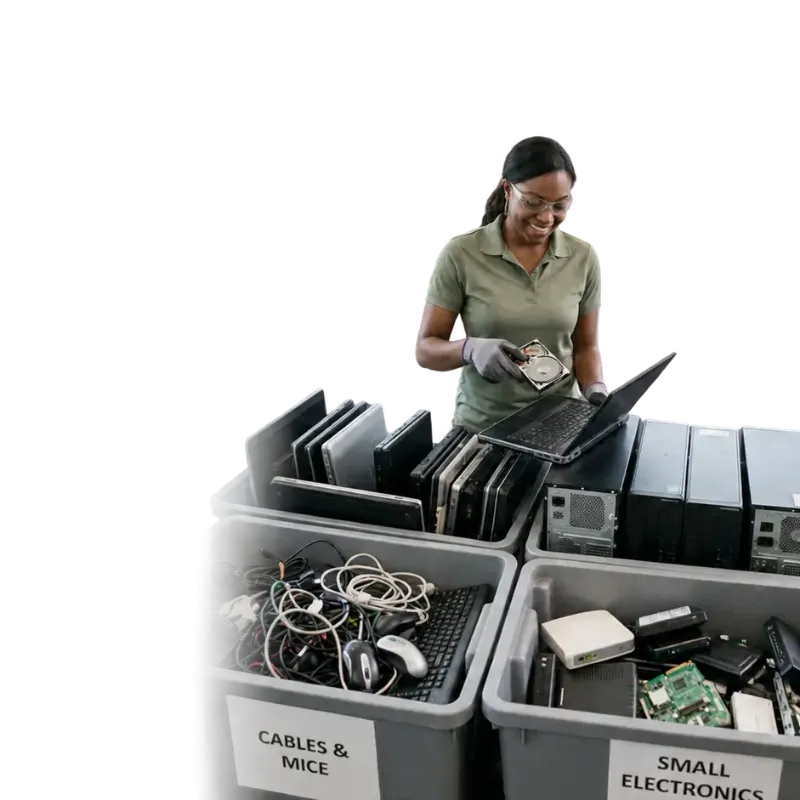
What are IT asset disposition services?
IT asset disposition services cover the controlled retirement of business technology. Secure IT asset disposition means we reconcile assets against your records, track custody from pickup, route data-bearing devices down an approved path and document the outcome.
What types of business technology can HTG help retire?
User and office technology, servers and storage, data-bearing media, and network and communications equipment, with accepted equipment confirmed for each project.
How does HTG handle data-bearing devices and media sanitization requirements?
Secure IT asset disposition starts with settling the data-handling requirement in scope, before pickup. Media type, intended disposition and your data rules then determine the approved method and the verification evidence returned. Buyers commonly define methods and evidence against NIST SP 800-88 Rev. 2, which is guidance for choosing a method, not a certification. HTG then coordinates that work with the appropriate party.
What is chain of custody, and what records should an ITAD project produce?
The documented trail of who held the equipment and when, starting at pickup. A project should also return the reconciled asset list, serial-level detail where required, custody information, exception notes and the closeout package.
Can equipment be reused, resold, recycled or physically destroyed?
ITAD asset disposal and recycling can include all of those paths, and IT asset destruction where the data calls for it. Availability depends on asset condition, your requirements and downstream options. HTG doesn't promise resale proceeds, and not every asset produces a certificate, so we identify any certificates or partner records in scope.
Can HTG coordinate ITAD services across multiple locations?
Yes, if we can define the work in one scope. We confirm availability, transport, the processing path and timing against the real sites first, so one inventory, custody and exception standard holds across locations.
Before Pickup
Define the asset, data and record requirements before pickup.
When you're ready, send the locations, asset types and quantities, timing and any tracking or data-handling requirements. We will come back with what has to be resolved before pickup.